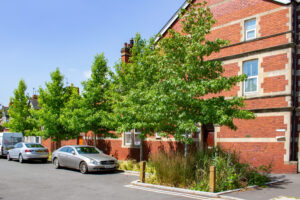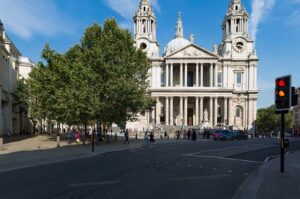
At GreenBlue Urban we have been continuously innovating to develop engineered solutions that not only provide amenity and biodiversity value, but add the critical element of sustainability to the process of integrating trees into the urban landscape.
With a particular focus on SUDs / LID, stormwater practitioners across diverse practices have been considering the importance of the whole water management ‘network’ through our cities and towns. The grey water that is produced from our daily activities as potentially being put back into that ‘grid’. We talk about ‘off-the-grid’ frequently in relation to energy efficiency and it is clear that green infrastructure has a role to play in reducing energy use from buildings. However, what we hear less about is how we can innovate to help every development, including residential, keep as much rainwater as possible out of the sewer system. This starts with being more mindful of the ways and means in which LID / SUDs systems, particularly effective source controls, can be implemented across our urban developments to manage stormwater runoff with a more sustainable and long-term view.
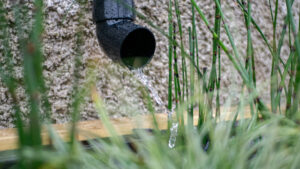
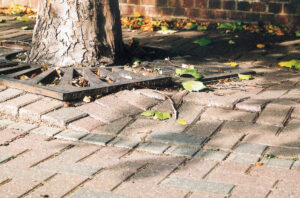
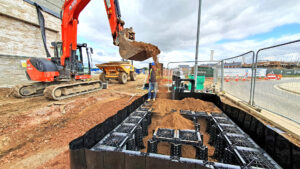
There has been a lot of research around the potential to recycle grey water into green infrastructure and we can say with confidence that we can recycle this type of by-product of our modern society to irrigate LID/SUDS tree pits. We can also disconnect our downpipes and discharge the water into an ArborFlow system. The idea of taking urban runoff (lightly contaminated rainwater) and channeling it into engineered treepit systems, like ArborFlow, is well attested and this will not present developers and those working on residential schemes with any conceptual difficulties.
The difference between what we call greywater and blackwater is critical to moving toward truly off grid communities. Whilst LID/SUDs pits can easily receive the greywater, blackwater requires a more hybrid approach. We passionately believe that to implement this sustainable approach, using a variety of solutions is the way to a neater, multifunctional solution for our communities. Reed bed treatment can be a solution before blackwater is discharged into the ArborFlow system.
Source control is critical because through dealing with water when and where it falls we reduce the volumes of waste and the amount of contamination we have to cope with is significantly reduced. It is with this in mind that we have to consider the integrated design and the nexus of components we use to boost source control and to ensure that as much of the blackwater created can be treated as sustainably as possible in the first instance to then be discharged into the tree pit.
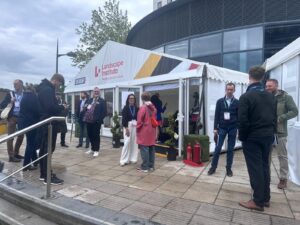
To discover more on SuDS, Highways and Biodiversity Net Gain, join our next Roadshow in London on 25th September – we have an amazing choice of speakers in a great location! Sign up today!