Tree ordinances are official policies developed by communities to protect trees, preserve green spaces and manage urban forests. They set standards for selection, planting, maintaining, and preserving urban trees. Ordinances seek to establish a legal means of protecting the public interest and establishing a healthy, well-managed urban environment.
Tree ordinances are about understanding the benefits that trees bring to the urban environment and taking actions to protect those interests. As more and more communities begin to recognize the tangible benefits that trees provide in the urban environment, it’s becoming more important to take action to preserve our urban tree populations.
Healthy trees reduce air and noise pollution, provide energy-saving shade and cooling, furnish habitat for wildlife, enhance aesthetics and property values, and are an important contributor to community image, pride, and quality of life.
Tree ordinances are among the tools used by cities striving to preserve healthy, vigorous, and well-managed urban forests. They provide the authorization and means to manage tree preservation programs however, by themselves, ordinances cannot assure that the tree populations in and around our communities will be increased or even maintained.
Without an overall strategy for developing and evaluating tree ordinances, along with themulti-management will be haphazard and ineffective, meaning the urban forest will suffer.
There are 3 Types of Tree Ordinances According to the International Society of Arboriculture
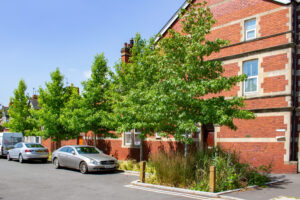
- Street tree ordinances primarily cover the planting and removal of trees within public rights-of-way. They often contain provisions governing maintenance or removal of private trees which pose a hazard to the traveling public. Also included in this category are ordinances with tree planting requirements, such as those requiring tree planting in parking lots.
- Tree protection ordinances are primarily directed at providing protection for native trees or trees with historical significance. They usually require that a permit be obtained before protected trees can be removed, encroached upon, or in some cases, pruned.
- View ordinances are designed to help resolve conflicts between property owners that result when trees block views or sunlight.