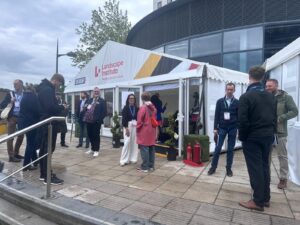
GreenBlue Urban were pleased to sponsor, exhibit, and speak at the fourth Landscape Below Ground Conference hosted in Lisle, Illinois. This industry-leading event is held every 10 years, and although they are shortening this to every five years, it is an important event for GreenBlue Urban to attend. Attendees came from all over the world – and researchers from Australia, China, Netherlands, etc as well as from across North America presented on a range of specialist areas with the common theme of tree root development below ground.
“This was probably the most relevant conference in the world for us to be at”
Dean Bowie, CEO of GreenBlue Urban
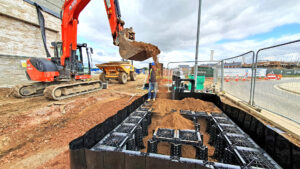
In addition to our sponsorship and expo stand that to displayed our best practice systems for tree pit design, and also presented about pavement support systems for urban tree growth and discussed our nearly 20 year history of the topic, as the developer of the world’s first soil cell for urban tree planting. Since GreenBlue Urban’s CEO Dean Bowie has more experience in the field of soil cells than anyone else in the world, it was good to share some of this and get the message out there that the most important thing below ground for urban trees is uncompacted soil, in enough volume, within a protective structure!
The presentation was well received, and Dr Gary Watson (who chaired the event) was very positive on our contribution to this highly specialized program.
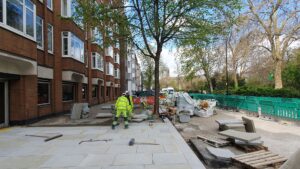
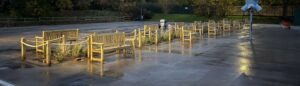
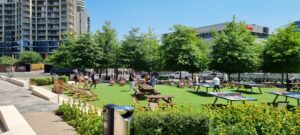
Covering many aspects including Research Tools and Methodology offered through partners in the industry, we were able to share results of ongoing tests comparing planting solutions. The above displays more recent evidence at Hadlow College and of course the joint trial in London Blackfrairs Road. Main Street in Cambridge, Ontario also provided an in-situ tree pit trial site, as some of the trees on this street were planted in soil cells, while others were planted in structural soil. You can see the results here.
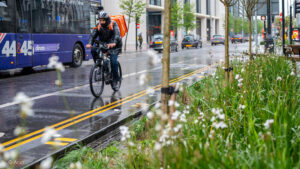
We couldn’t leave Chicago without highlighting the benefits of LID / SUD tree pits allowing water attenuation and trees to thrive! Discover more on Goldhawk Road.
Thanks to everyone who supported this event, and stay tuned for the paper being published in book form by the International Society of Arboriculture.