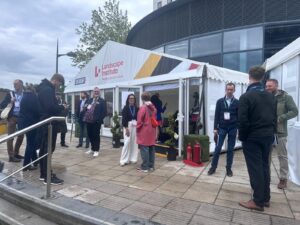
GreenBlue Urban are delighted to have sponsored the LTOA July Seminar, kindly hosted by the London Borough of Barnet.
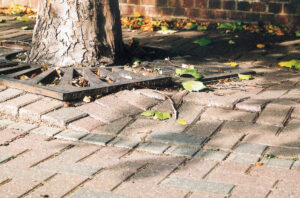
GBU sponsored the production of the latest guidance Surface materials around trees in hard landscapes. This guidance is particularly welcome at a time when many local authorities face challenges to budgets and resources and a care of our urban trees both above and below ground.
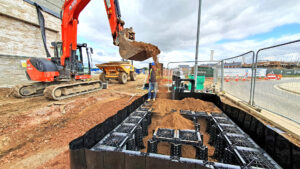
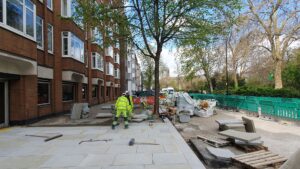
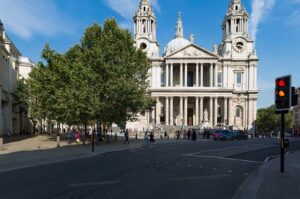
GBU will continue to support the dedicated work of the LTOA, in turn the collaboration and education of successful urban tree planting. Such as our iconic project at The Old Bailey as featured below.

The speakers from Sheffield, despite the recent controversy surrounding the loss of significant numbers of street trees, provided the audience with a fantastic insight into the work their trees and woodlands team are doing to engage communities and create exciting natural environments which enable children, elderly, and vulnerable adults to access nature safely. The teams ambitious plans to continue work to improve both the productivity and quality of their trees and woodlands shows how positive and proactive planning can yield wide ranging and surprising results.
We were fortunate to hear from the President of the Landscape Institute, Merrick Denton-Thompson who, following from his inspiring introduction to the LI Conference in Manchester last month, emphasized the importance of valuing the public sector and how government must support and resource those in the landscape profession to continue their good work. Merrick was emphatic that the work of prominent thinkers in the landscaping sphere, notably Dieter Helm, should be taken into greater consideration when future policy is developed by central government. Natural capital accounting is indeed in its infancy but as Merrick asserts, we need to change our thinking now to plan for our future landscapes. Merrick focused also on the diversity and variety of landscapes across the regions of this green and pleasant land. At GreenBlue Urban we also recognise that a broad pallet of trees, the creativity and flexibility of below ground solutions enable planners and landscape architects to build upon the existing character of both urban and rural landscapes in their respective regions.

John Parker, LTOA Chair & TfL emphasized the importance of continued collaboration both across networks in the UK and Europe. The new guidance is proof positive that some of the best results can be produced through private and public-sector collaboration. In my own presentation, I decided to build on this golden thread of collaboration. At GreenBlue Urban we believe that strong partnership and collaboration is essential from the very inception of high quality schemes. Planners, Landscape Architects, and Contractors must all work together to ensure that the design of green and blue infrastructure, particularly the plans for tree pit designs, are not compromised or value engineered out, leaving us with in-aesthetic sites providing no positive ecosystems services. I explained how GreenBlue Urban invest heavily in research and innovation as well as working on EU Interreg projects to ensure that we are at the forefront of innovative below and above ground tree pit product development.

Our latest Podcast features John Parker discussing the importance of collaboration – listen now!