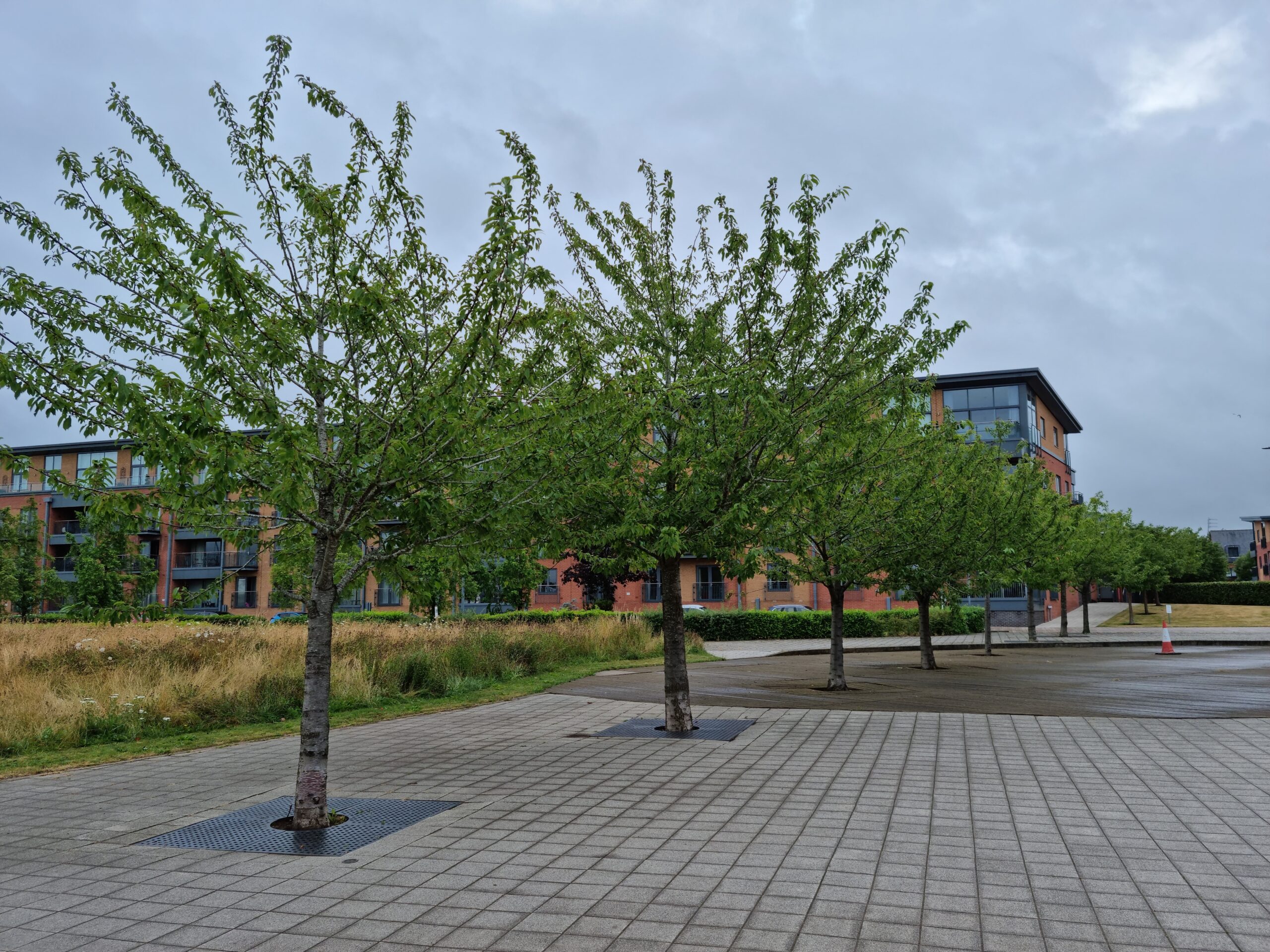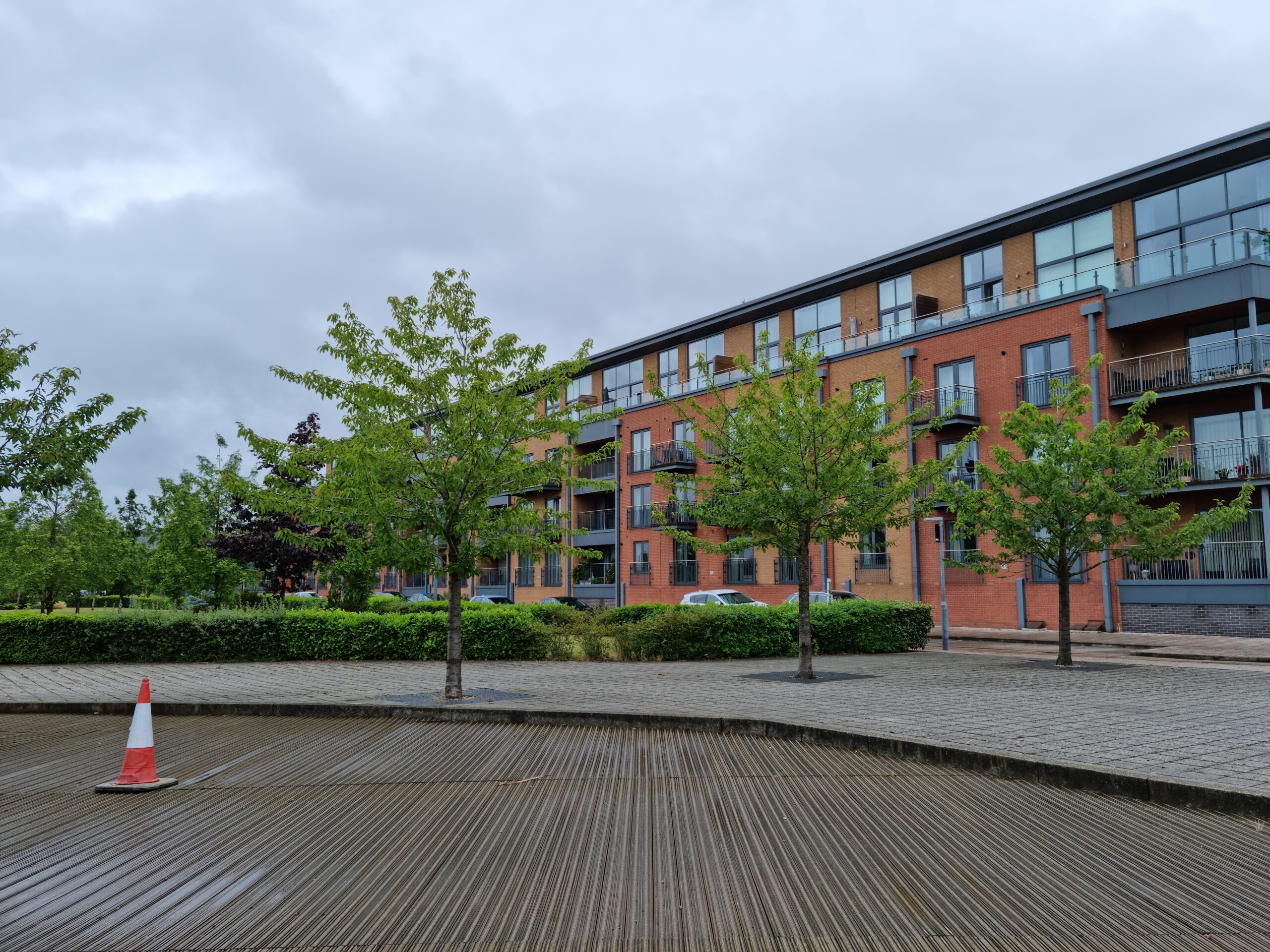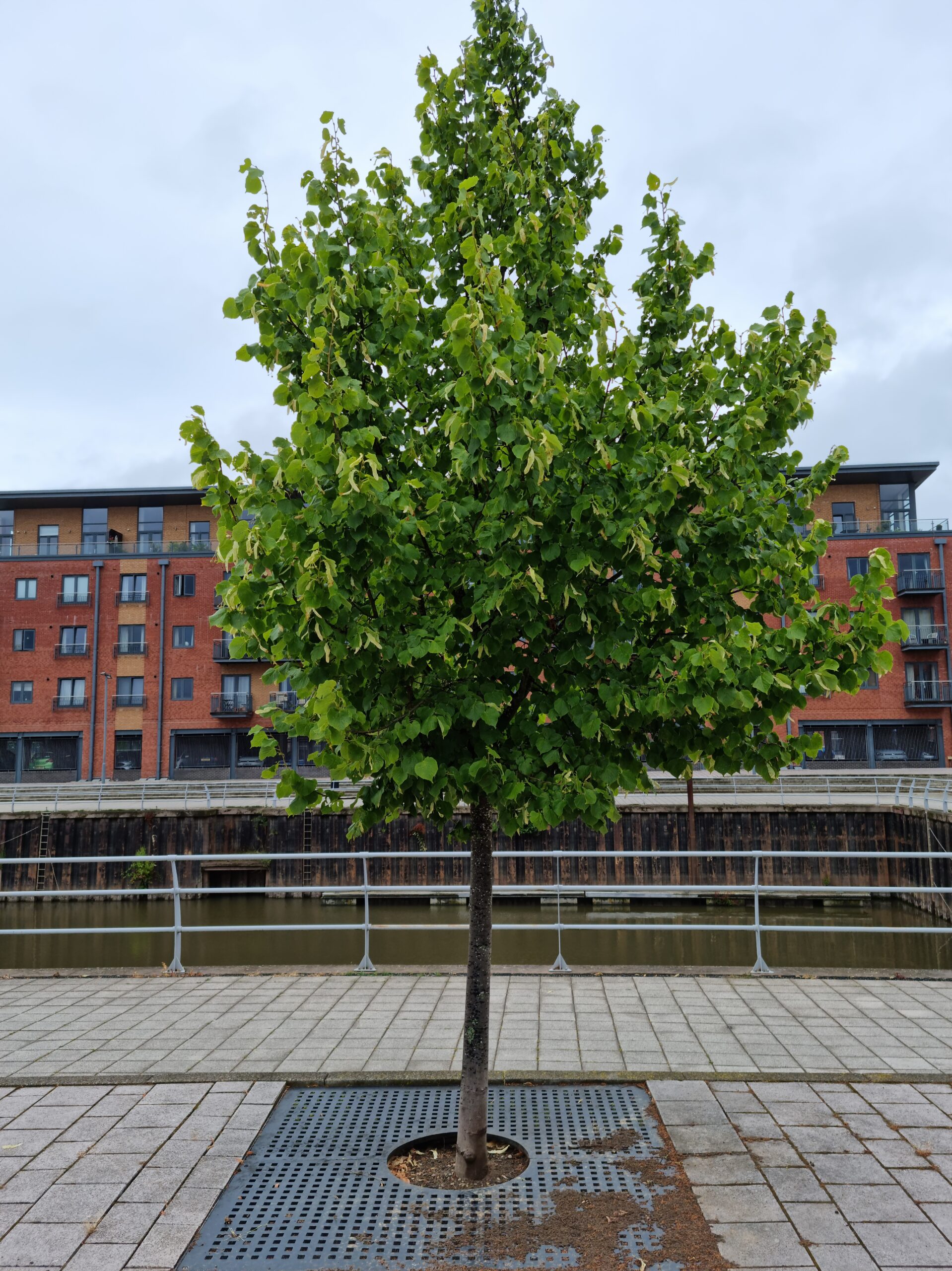
Diglis Basin in Worcester was a brownfield site that had proven highly resistant to redevelopment.
Situated on the Worcester and Birmingham canal within a mile of Worcester city centre, the basin had become known locally as ‘the stubborn acres’. It had previously been home to several post-war industrial units and the requirements for contaminated land remediation, in addition to the problems of flood risk, contributed significantly to the perceived difficulties in delivering a successful redevelopment project on the site.
Permission for a five phase redevelopment process was eventually granted in 2004. In 2007 work began on the third phase of the project, which would include 215 of the 421 houses to be built on the site, a gymnasium, a community centre, offices, a cafe and a restaurant. A critical aspect of the planning considerations for this phase of the development was the overall quality of the landscape being created. The landscape architects, LDA Design Consulting working on behalf of Bryant Homes and Taylor Wimpey, went to great lengths to create a landmark scheme that was both attractive and practical.
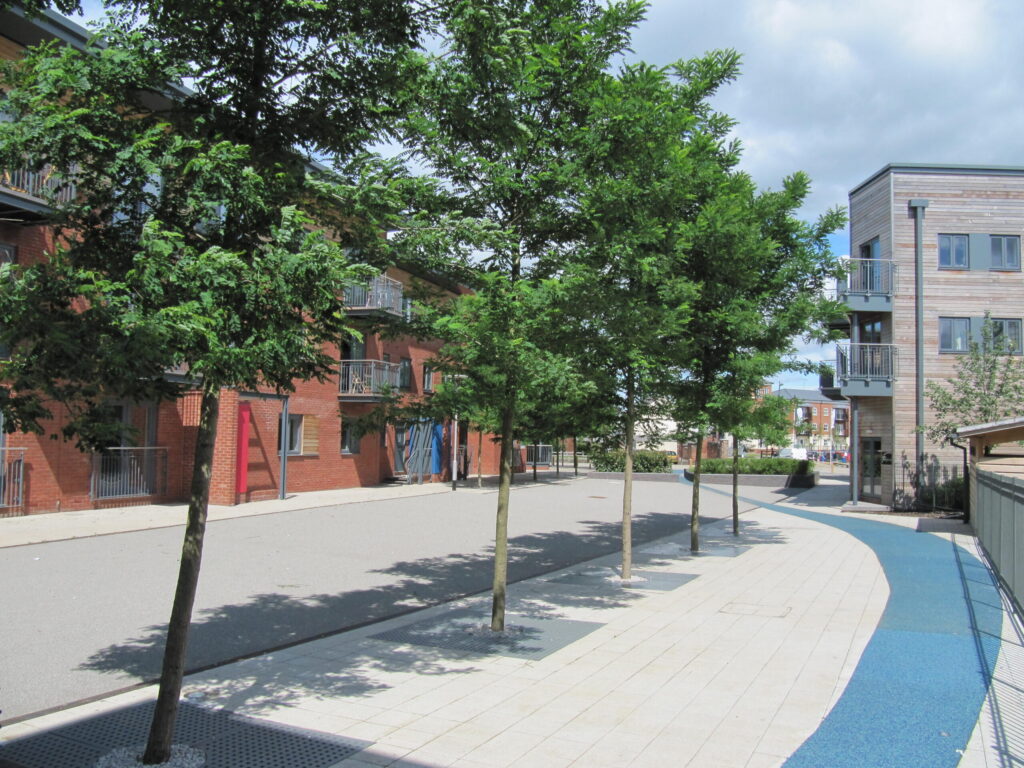
Since 2007 the trees on the site have flourished, making a significant contribution to the aesthetic of the rejuvenated urban landscape, which quickly became one of the most desirable new housing developments in the Midlands.
The transformation of Streatham High Road is already delivering wide-ranging benefits for the community. The introduction of new trees and greenery has created a more attractive and welcoming high street, softening the hard edges of this busy arterial road and helping to reframe it as a place to spend time rather than simply pass through. Pedestrians and cyclists now enjoy safer and greener routes, while improved bus lanes and crossings contribute to more efficient journeys for all road users.
Beyond transport, the environmental impact is also significant. The trees enhance air quality, provide shade, and contribute to cooling the urban environment during hotter months. Their presence reinforces Streatham’s distinctive identity by linking its diverse neighbourhoods through a consistent, nature-rich streetscape. Importantly, this success stands in sharp contrast to previous planting efforts that had struggled to establish. By prioritising robust design, technical innovation, and long-term resilience, the project has created not just a visible improvement but a sustainable legacy for residents, businesses, and visitors alike.