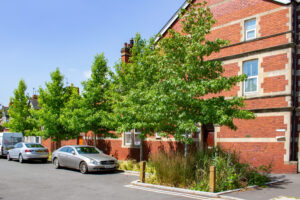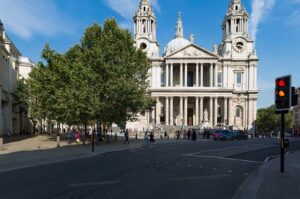
Maintaining green infrastructure (GI) involves several stakeholders and can vary significantly in cost depending on the type and scale of the infrastructure. Here are some key points:
WHO MAINTAINS GREEN INFRASTRUCTURE?
- Local Authorities: Often responsible for public spaces, they rely on tax-payer dollars or donors to cover long-term maintenance costs.
- Private Developers: In some cases, developers pay upfront for high-quality installations to reduce future liabilities.
- Community Groups: Sometimes, local community groups or non-profits take on maintenance responsibilities, especially for smaller projects.
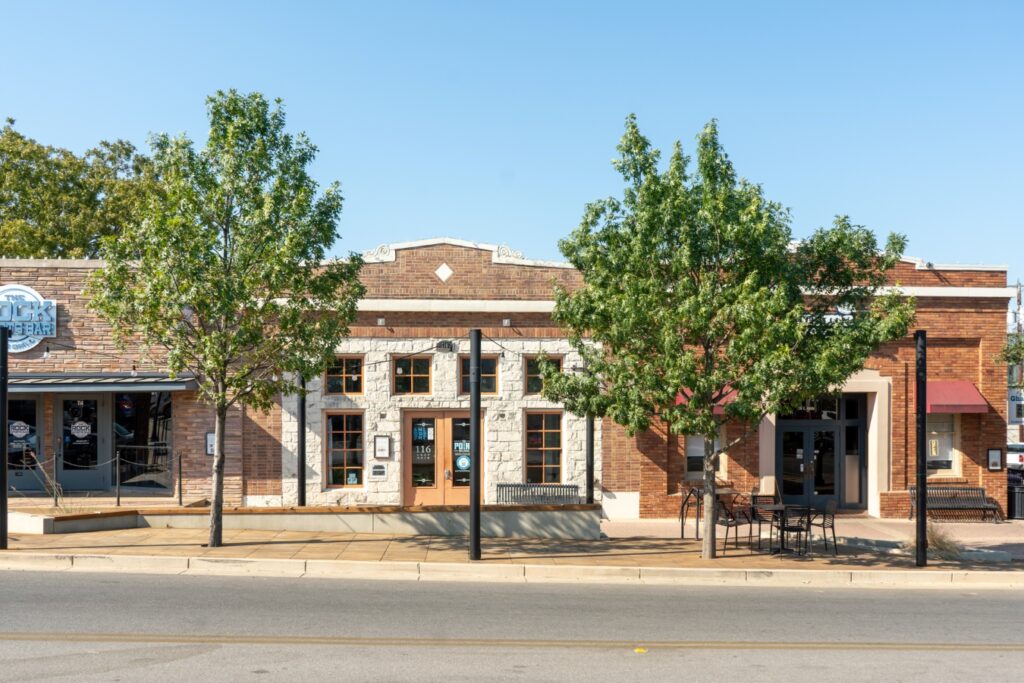
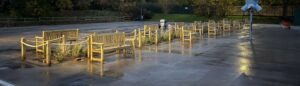
Round Rock, Texas
COST OF MAINTENANCE – WHAT’S INVOLVED
Green Infrastructure (GI):
Costs can vary widely based on location, type of infrastructure, and specific maintenance needs. For example, a rain garden in a high-profile area may require more intensive upkeep than one in a less visible location. Combining GI maintenance with other infrastructure projects can substantially reduce costs.
Trees:
Newly planted trees require regular care in the first few years, including watering and inspections. Once established, maintenance is minimal, with annual checks and occasional pruning.
The annual cost to care for a tree can vary depending on factors like the tree’s age, species, and location. However, on average, it costs around $15 to $50 per year to maintain a healthy tree. This includes regular watering, mulching, pruning, and inspections to ensure the tree remains healthy and safe.
Low Impact Systems (LID):
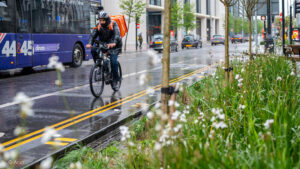
These systems, which include permeable surfaces, green roofs, and rain gardens, need regular checks to ensure they function effectively. Maintenance costs range from .70₵ to $2 per square foot depending on the specific practices and the scale of the project. LID systems not only help manage stormwater effectively but also provide ecological and aesthetic benefits, making them a valuable investment for sustainable development.
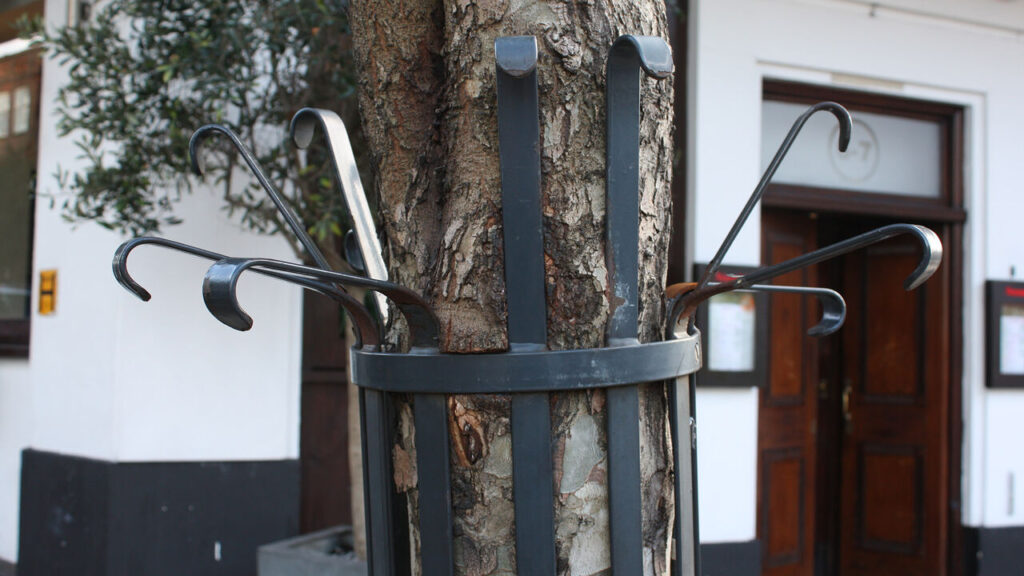
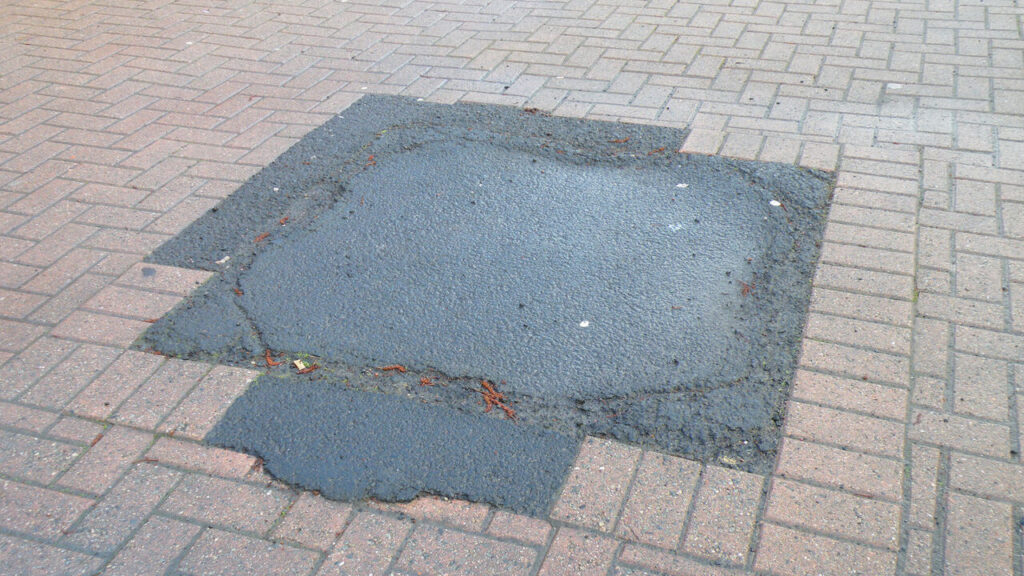
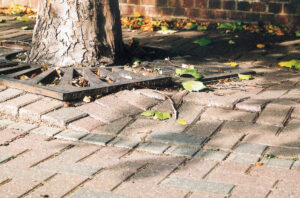
Tree Failures
FUNDING CHALLENGES
Disconnect Between Benefits and Maintenance: Often, those who benefit from GI are not the ones responsible for its maintenance. While urban greenery offers health benefits, pollution reduction, cooler temperatures, and biodiversity support, these perks don’t always translate into value for highway authorities. This leads to a disconnect in how green spaces are valued and funded.
Budget Constraints: Local authorities may face budget constraints that make it difficult to allocate sufficient funds for GI maintenance.
STRATEGIES FOR COST REDUCTION
Front-Loading Costs: Investing more upfront in high-quality installations can reduce long-term maintenance expenses.
Dedicated Funding Sources: Establishing dedicated funding for maintenance can help ensure the long-term success of GI projects.
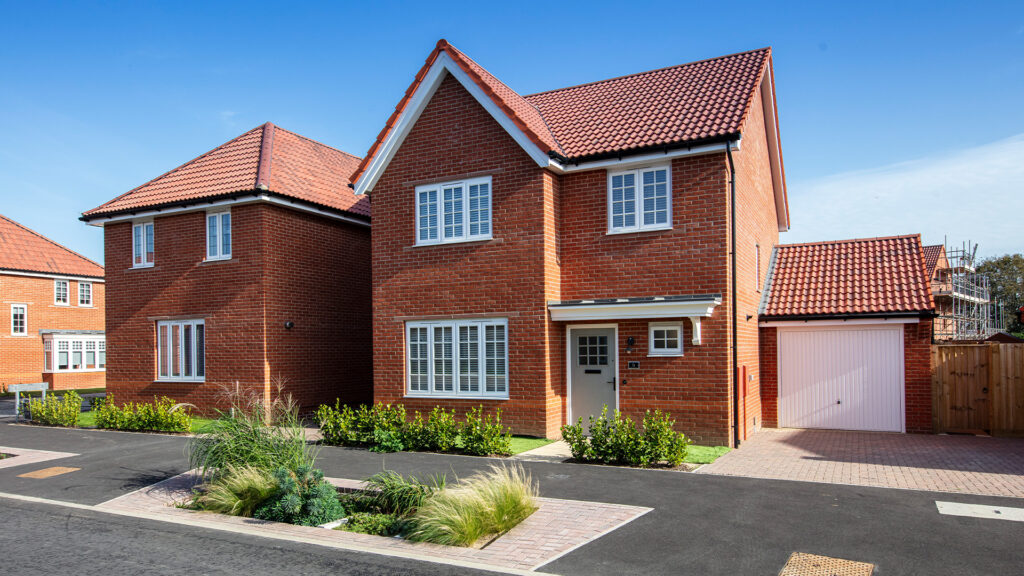
Integrating LID’s with other green elements, like trees, creates a multifunctional system that supports both water management and urban greenery, enhancing cities’ resilience.
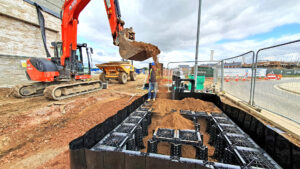
a GreenBlue Urban LID Project
Green infrastructure offers numerous benefits, but careful planning and sustainable funding are crucial to maintaining these systems effectively. With these points in mind, we can create healthy, sustainable urban spaces for future generations by aligning all stakeholders with long-term goals.
Have a specific project in mind or need more detailed information? Contact us today! GreenBlue Urban is here to support your urban greening projects from planning to planting.